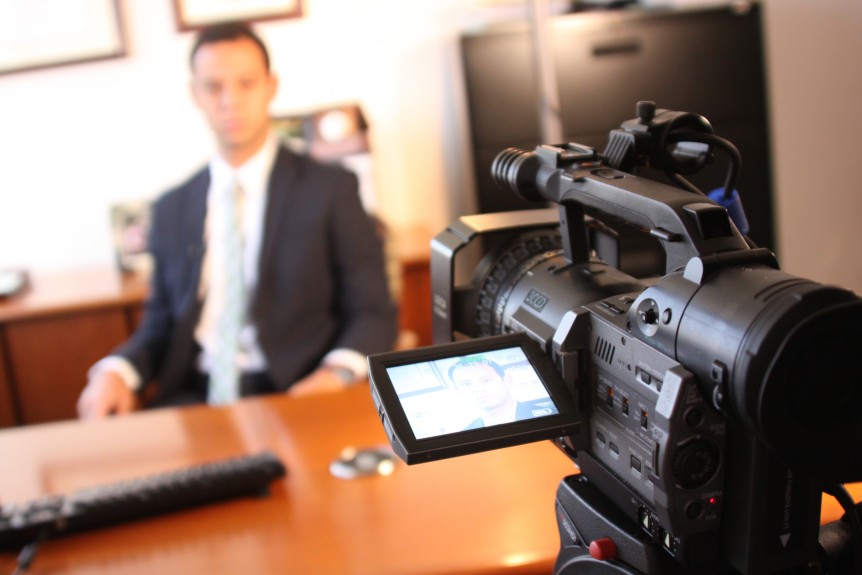
Quality legal video production counts greatly on customized tools and devices designed to catch, edit, and supply clear and reliable aesthetic proof. Important components consist of high-def cameras that assure crisp photo top quality, along with microphones that catch audio with clarity, minimizing history noise. Tripods and stabilization systems enhance the solidity of video, substantial for keeping customer focus. Lighting equipment is also important, as it helps light up subjects properly, minimizing shadows and enhancing exposure. In addition, portable recording devices are usually utilized for depositions and meetings, ensuring adaptability in different setups. Ultimately, the appropriate combination of these devices not only assists in exact documentation but also sustains persuasive presentations in the court room, strengthening the honesty of the legal process.
Video Editing Techniques
Efficient legal video production expands beyond catching premium video; it also encompasses innovative modifying methods that boost the discussion of aesthetic evidence. One crucial technique includes the cautious option of appropriate clips that ideal sustain the instance narrative. Editors commonly use shifts, such as fades and cuts, to preserve viewer involvement while guaranteeing a logical circulation of information. Color adjustment and audio harmonizing are necessary for quality, allowing jurors to focus on the material without distractions. Furthermore, text overlays can highlight crucial points or provide context, making complex information much more available. expert legal video. By utilizing these editing techniques, legal video experts create compelling visual help that properly share the significance of the instance, eventually serving to strengthen the arguments offered in the courtroom
Presentation Formats Explained
While various discussion formats exist, each offers a distinct objective in the domain of legal video production. Common styles include depositions, test discussions, and video displays. Depositions commonly capture witness statements, ensuring a trustworthy document for future reference. Test discussions use edited video sections to succinctly communicate crucial points, typically boosted with graphics and annotations for quality. Video clip shows serve as visual help, supplying jurors with context and reinforcing key debates. Each style counts on sophisticated technology, consisting of high-grade electronic cameras and modifying software, to assure clarity and professionalism and trust. By selecting the ideal layout, legal groups can successfully interact their story, promoting an extra interesting court experience that sustains their situation purposes.
Best Practices for Capturing Legal Video
Capturing high-quality legal video needs mindful consideration of devices selection and configuration, making certain optimal lights and sound high quality. Efficient modifying and post-production methods likewise play a vital duty in presenting the last product clearly and professionally. These ideal practices are necessary for keeping the integrity and performance of legal video documentation.
Devices Choice and Arrangement
Picking the best tools for legal video production is crucial for guaranteeing top notch video footage that satisfies legal criteria. Professionals commonly select high-def electronic cameras qualified of capturing clear, comprehensive photos. Tripods are vital for stability, staying clear of unsteady footage that could weaken the presentation. Additionally, using several video camera angles can improve the narrative by giving varied perspectives. It is likewise a good idea to have backup recording tools to avoid data loss. Storage services should be trusted and adequate to accommodate large video documents. When picking tools, mobility is very important, as legal settings can vary in size and area. Finally, video codecs need to be suitable with editing software application to assist in smooth post-production processes.
Lights and Noise High Quality
Reliable lights and audio high quality are necessary elements in the production of legal video, as they considerably impact the quality and professionalism and reliability of the last product. To attain ideal lighting, it is crucial to make use of soft, diffused light sources that decrease harsh darkness and stop glare. Position lights tactically to illuminate subjects evenly, ensuring all facial expressions and information are visible. Pertaining to sound, making use of premium microphones is vital; lavalier mics are usually chosen for their capacity to record dialogue clearly while minimizing history noise. Additionally, checking ambient sound levels during recording can aid keep audio consistency. By adhering to these finest techniques, attorneys can improve the performance of their video discussions, ensuring they communicate the desired message with precision.
Editing and Post-Production Techniques
After ensuring ideal lighting and sound quality, the next stage in producing legal video entails thorough editing and post-production strategies. This stage is necessary for boosting the quality and professionalism of the end product. It commonly consists of cutting unneeded footage, fixing color variances, and readjusting audio degrees to assure crisp sound quality. Integrating graphics, such as titles or notes, can help highlight crucial points and offer context. In addition, smooth changes in between sectors contribute to a systematic narrative circulation. Legal video editors must also be conscious of compliance with legal standards and personal privacy factors to consider, ensuring that sensitive info is dealt with appropriately. Inevitably, effective modifying and post-production raise the high quality of legal presentations, making them more impactful in the court room.
Integrating Legal Video Into Trial Strategy
Including legal video right into test approach can greatly enhance the discussion of evidence and narratives in the courtroom. By efficiently utilizing video, attorneys can offer have a peek at these guys visual context that enhances their arguments and aids jurors understand complex information a lot more easily. Legal videos can consist of witness testimonies, reenactments, or aesthetic evidence that supports the instance, producing an engaging narrative that resonates with the target market.
In addition, integrating legal video allows for critical pacing during a trial. Lawyers can choose when to offer video evidence to maximize its impact, assisting to maintain juror engagement and emphasis. In addition, the use of legal video can promote her latest blog clear communication of vital points, guaranteeing that necessary elements of the instance are not ignored. Overall, including video aspects attentively right into trial method can significantly affect the jury's perception and understanding, possibly guiding the outcome in support of the providing event.
Enhancing Jury Involvement With Legal Video
Jurors typically deal with information overload throughout tests, improving their interaction via legal video can significantly enhance their emphasis and understanding. Legal video works as a dynamic device that changes intricate details right into absorbable visual narratives. By incorporating video discussions, attorneys can successfully highlight vital proof, witness testaments, and instance timelines, making the web content a lot more relatable and much easier to understand.
Aesthetic components record jurors' attention, enabling them to take in information better than through spoken descriptions alone. Furthermore, using high-grade legal video can evoke emotional reactions, promoting a deeper link to the instance. This psychological involvement can significantly affect jurors' assumptions and decision-making processes.
Eventually, legal video not just clears up complex information yet also reinforces the overarching themes of a trial, guaranteeing that jurors remain engaged and notified throughout the proceedings. As an outcome, it emerges as a vital property in modern court discussions.
Case Studies: Effective Use Legal Video in Trial Runs
As lawyers significantly recognize the influence of aesthetic storytelling, various study show the successful application of legal video in tests. One noteworthy instance entailed an accident legal action where video depositions of witnesses considerably boosted the jury's understanding of the occurrence. The vibrant images and psychological testaments developed an engaging story that influenced the jurors' understandings.
In another circumstances, a criminal test made use of monitoring footage to rebuild the occasions leading up to a robbery (expert legal video). The video proof cleared up incongruities in witness testimonies, ultimately persuading the jury's choice toward a sentence
Moreover, a corporate litigation situation showcased the strategic use computer animations to clarify intricate monetary transactions, enabling jurors to realize elaborate information easily. These instances highlight how legal video not just aids in offering evidence yet additionally enhances overall interaction, resulting in much more notified court deliberations and results in numerous legal contexts.
Regularly Asked Questions
Exactly How Is Legal Video Different From Conventional Video Recording?
Legal video differs from traditional video recording in its objective and adherence to details legal requirements. It concentrates on clearness, information, and correct paperwork, ensuring dig this that the video footage appropriates for use in legal process.
What Are the Prices Connected With Legal Video Production?
The prices associated with legal video production vary widely, affected by variables such as devices high quality, editing intricacy, and the production team's proficiency. Additional costs might consist of area charges and post-production solutions for suitable presentation.
Can Legal Video Be Used in Appellate Judiciaries?
Legal video can be utilized in appellate courts, mostly as a tool for demonstrating trial procedures. Its admissibility depends on administrative guidelines and whether it offers to make clear the record or step-by-step problems.
What Are the Legal Needs for Making Use Of Video in Court?
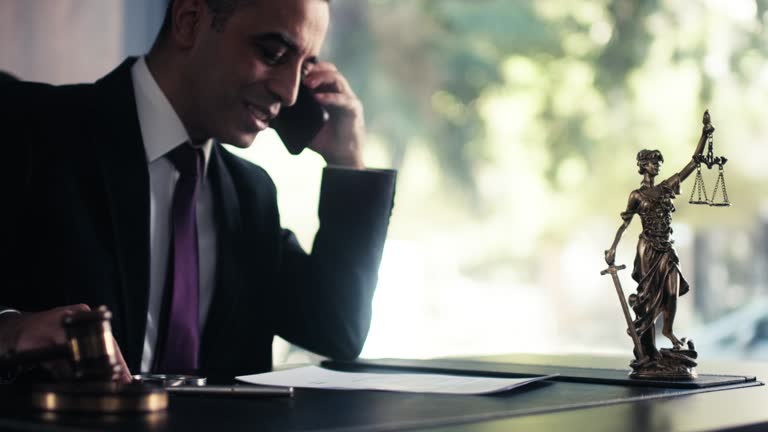

The legal needs for utilizing video in court generally include adherence to guidelines of evidence, appropriate verification, ensuring importance, and compliance with jurisdictional policies. These aspects assure the honesty and integrity of the video evidence offered.
How Do I Choose a Legal Video Provider?
Choosing a legal video company involves evaluating experience, technology, and reputation. Take into consideration aspects such as accreditation, customer testimonies, and availability to guarantee the service provider meets specific legal requirements and enhances courtroom effectiveness.